ARTEMIS II
Mission Timeline
The first crewed mission to the Moon since Apollo 17 in 1972. Four astronauts will fly around the Moon and back in about 10 days. Here's what happens and when!

Why Do Different Sites Show Different Speeds?
▼
Here's something that might seem weird: speed doesn't actually mean anything on its own. When you say a car is going 100 km/h, what you really mean is it's going 100 km/h relative to the road. But to the person sitting in the passenger seat? That car's speed is zero — because they're moving together. Speed is always measured relative to something else.
In space, there's no road. There's no ground. So when someone tells you how fast Orion is going, the first question should be: relative to what? Relative to Earth? The Moon? The Sun? Each answer gives you a completely different number — and they're all technically correct. That's why you might see one site say Orion is traveling at 2,900 km/h and another say 107,000 km/h. They're not wrong. They're just measuring from different reference points.
Here's how fast Orion is traveling right now in each reference frame:
Other frames you might encounter: Ground-Relative (measured against Earth's surface instead of its center — mostly matters during launch and re-entry) and Inertial/ECI (Earth-Centered Inertial — measured relative to a fixed point at Earth's center that doesn't rotate with the planet. This is the frame NASA mission control uses internally because it removes Earth's spin from the math, making orbital calculations cleaner). At lunar distance, both are effectively identical to Earth-relative.
Bottom line: if two sites show different speeds, they're probably measuring from different reference points — not wrong, just different. It's like asking "how fast is a person walking on a moving train?" The answer depends on whether you're asking relative to the train or relative to the ground.
If the Engines Are Off, Why Is Orion's Speed Changing?
▼
You might notice Orion's speed going up right now even though the crew hasn't fired any engines in days. That seems like it should be impossible — how do you speed up without a push?
The answer is gravity. Right now, Orion is falling toward Earth. Not crashing — falling in a giant arc, the same way a ball thrown in the air speeds up as it falls back down. Earth's gravity is constantly pulling on the capsule, and because Orion is getting closer to Earth with every passing hour, that pull gets stronger and the capsule accelerates.
It works the same way in reverse: on the outbound trip to the Moon, Orion was slowing down the whole way because Earth's gravity was pulling it backward. The capsule went from ~28,000 km/h after launch to just ~1,490 km/h at its farthest point near the Moon. Now on the return, all that lost speed is being given back — like a roller coaster cresting a hill and picking up speed on the way down.
This is why space missions are designed around orbits and gravity rather than constantly running engines. Fuel is heavy and expensive. By using the right trajectory, you can let gravity do most of the work for free.

▼

▼

▼

▼
Live Flight Day Tracker
The Mission Path
YOU ARE HERE
Pre-Flight Mission Plan
Based on NASA’s published timeline. Actual activities may shift during the mission.
The SLS rocket roars to life at sunset, sending the Orion capsule and 4 astronauts into a high orbit around Earth!

Systems checks all day in high orbit — then the big moment: firing the engine to head for the Moon!
The TLI burn worked! Orion is cruising toward the Moon. The crew settles into daily routines in deep space.
Deeper into space than any human has been in over 50 years. Time for some serious testing!
Orion crosses into the Moon's gravitational influence — from here, the Moon is pulling them in!
THIS IS IT! Orion swings around the far side of the Moon — farther from Earth than any human has ever traveled!
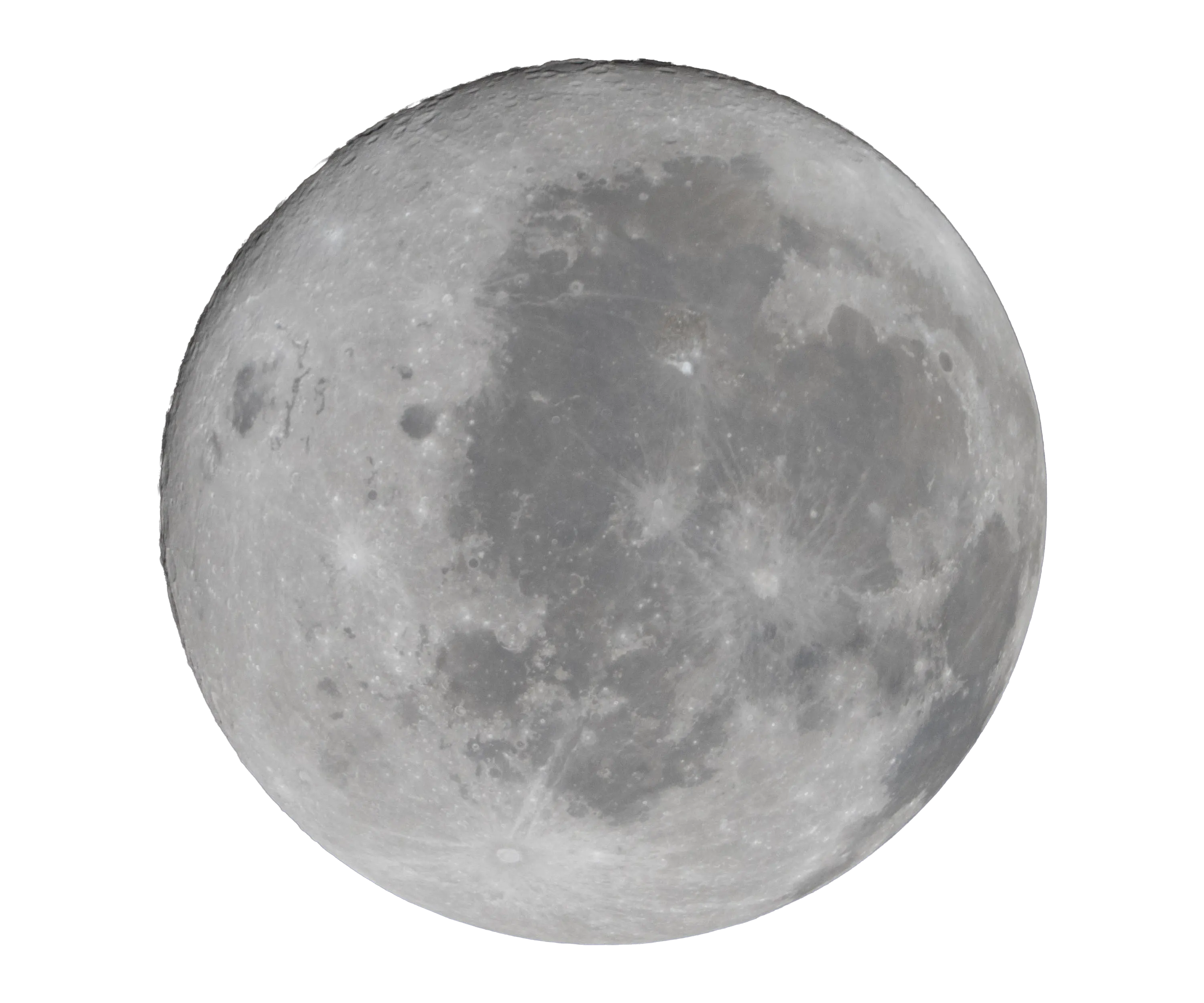
The Moon fades behind them as Orion's free-return trajectory slings the crew back toward Earth.
The crew tests how they'd shelter from a dangerous solar radiation storm in deep space.
Almost home! The crew studies their re-entry plan and stows everything for the fiery ride through Earth's atmosphere.
Orion hits Earth's atmosphere at ~40,000 km/h, endures 2,760°C heat, deploys parachutes, and splashes into the Pacific Ocean!
